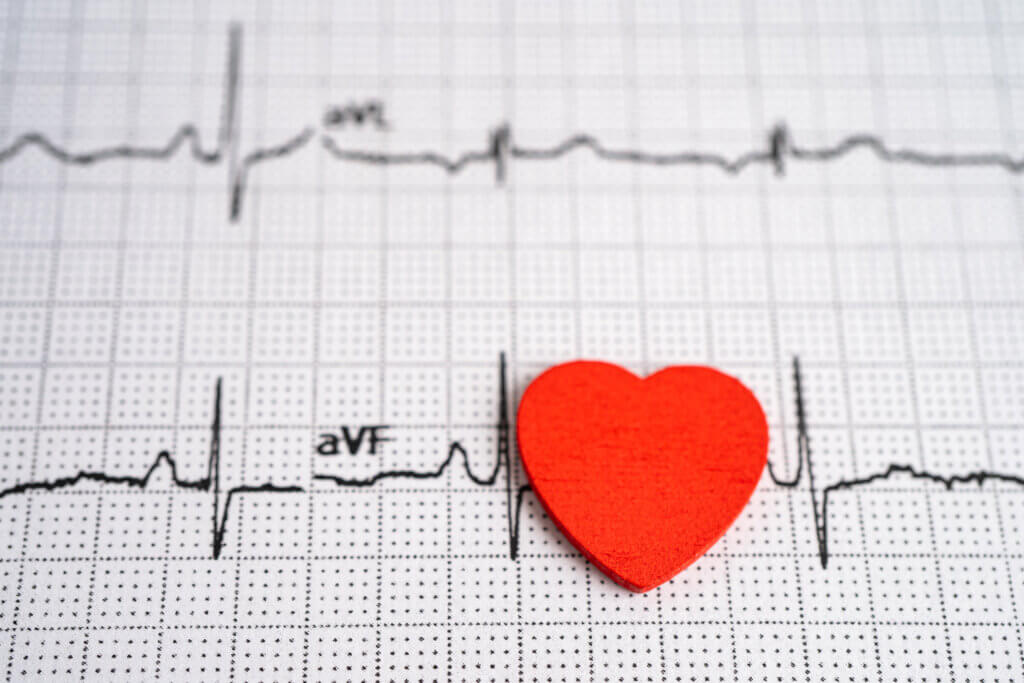
Stress isn’t just in your head—your heart feels it too. Recent studies show that chronic stress can alter your heart rate, raise your blood pressure, and increase the risk of cardiovascular events.
What Happens Inside?
When you’re stressed, your body releases cortisol and adrenaline. These hormones speed up your heartbeat and increase the heart’s workload. Over time, this can turn into a silent threat.
Possible Effects
- Arrhythmias (irregular heartbeats)
- Persistent hypertension
- Arterial inflammation
- Increased risk of heart attacks or heart failure
How to Lower the Risk
- Deep breathing (2 minutes a day helps)
- Regular physical activity
- Sleep 7–8 hours
- Limit caffeine, alcohol, and screen time at night
- Seek professional support if stress is ongoing
Conclusion
Your heart needs more than exercise—it needs peace. If you feel palpitations or chest pressure when stressed, don’t ignore it. Visit Dr. Diego Chango’s website for a preventive assessment.